
 blog
What Are the 5 Signs of Poor Circulation in Feet?
Last Updated: November 1, 2026
Quick Summary
The 5 signs of poor circulation in feet are cold toes that stay cold, numbness or tingling, cramping or weakness in the legs and feet, skin color or texture changes, and slow-healing cuts, sores, or ulcers. These signs point to blood struggling to reach the toes and tissue, and a clinician should confirm the cause.
- Cold toes often hit one foot harder and feel worse when you sit still.
- Numbness and tingling usually start in the toes before creeping up the foot.
- Cramping that eases with rest and returns at the same walking distance is a pattern worth reporting.
- Walk 20 to 30 minutes most days to support circulation in the feet.
- Compression socks help venous issues far more than arterial ones, so check with a clinician first.
Table of Contents
- 5 Signs of Poor Circulation in Feet
- Poor Circulation in Feet Symptoms: Arterial vs. Venous
- Causes of Poor Circulation in Feet
- Home Remedies for Poor Circulation in Feet
- Foods That Improve Blood Circulation
- When to Get Your Circulation Checked
- Frequently Asked Questions
5 Signs of Poor Circulation in Feet
Poor circulation in the feet happens when blood struggles to reach the toes and tissue at the end of the line. These five signs of poor circulation in feet are the ones worth watching.
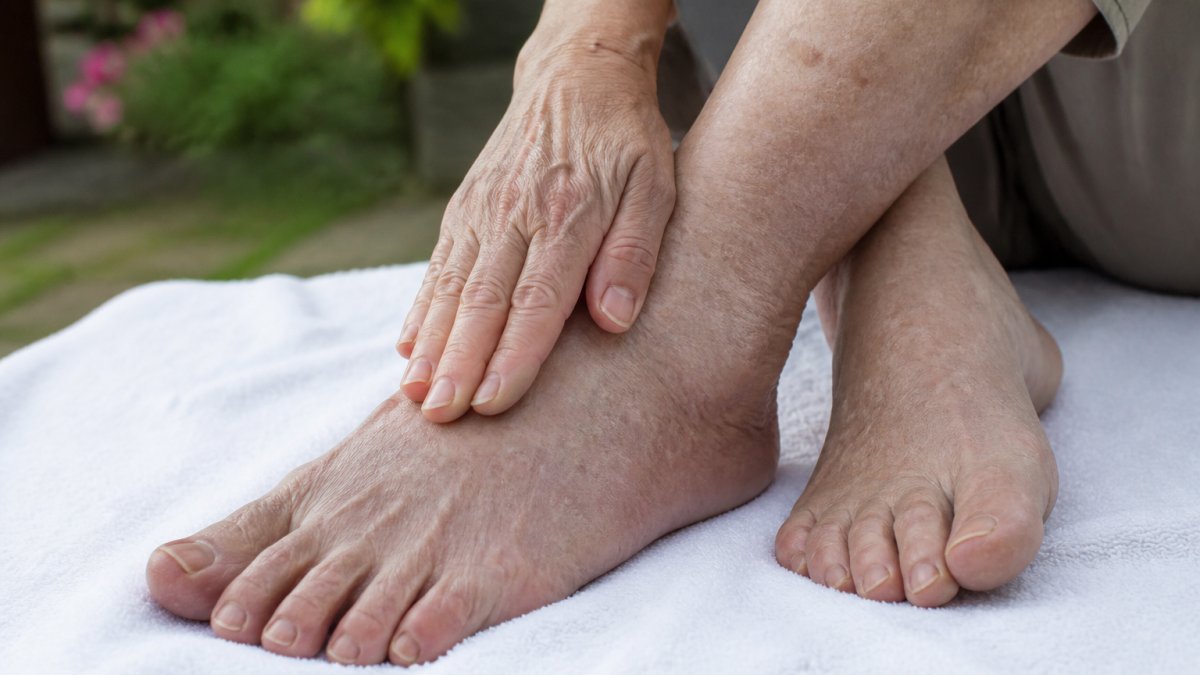
Circulation problems in the feet split into two families, arterial and venous, and they look nothing alike. Knowing which one you are seeing changes what you do next.
1. Cold Feet and Toes That Stay Cold
Cold feet are the most common early sign. Arteries carry warm, oxygen-rich blood to the toes. When those vessels narrow, the toes cool down first and warm up last.
A common mistake is blaming the weather. Weather chills both feet evenly. A circulation problem often hits one foot harder, or leaves the toes cold while the ankle stays warm.
Watch for:
- Toes that stay cold in a warm room
- One foot noticeably cooler than the other
- Cold that gets worse when you sit still
2. Numbness, Tingling, or Pins and Needles
Numbness and tingling mean nerves are not getting enough blood flow. The medical word is paresthesia, and it usually starts in the toes before creeping up the foot.
Many people describe it as a "falling asleep" feeling that will not wake up, different from the brief pins and needles after sitting on your foot.
3. Cramping, Pain, or Weakness in the Legs and Feet
Cramping in the calves or feet during walking is a classic poor circulation in feet symptom. The muscles are working harder than the blood supply can support. Rest usually eases it, and it returns when you walk again.
Do not write this off as normal aging. Pain that shows up at the same distance every time you walk is a pattern worth reporting.
4. Skin Color, Temperature, or Texture Changes
Skin tells the story before symptoms get loud. Look for:
- Pale, blue, or shiny skin on the feet
- Hair loss on the toes and top of the foot
- Thick or slow-growing nails
These changes build slowly, which is why they get missed.
5. Slow-Healing Cuts, Sores, or Ulcers
A small cut that lingers for weeks is a red flag. Healing needs steady blood flow to deliver repair cells and oxygen. Sores on the toes or heel that will not close deserve prompt medical attention.
An open sore on the foot should never be left to "see how it goes", it can deepen fast.
| Sign | What It Often Means | Typical Pattern |
|---|---|---|
| Cold toes | Arterial narrowing | One foot colder, worse at rest |
| Numbness or tingling | Nerve blood supply | Starts in toes, spreads upward |
| Walking cramps | Muscle oxygen demand | Eases with rest, returns with walking |
| Skin changes | Long-term reduced flow | Slow, easy to miss |
| Slow-healing sores | Poor tissue repair | Lingers for weeks |
Poor Circulation in Feet Symptoms: Arterial vs. Venous
Arterial and venous problems both affect the feet, but they behave in opposite ways. Arterial trouble means blood cannot get in. Venous trouble means blood cannot get out.
Arterial signs tend to be cold, pale, and painful with walking. Learning how nitric oxide and blood flow connect helps you see why the arterial side depends on healthy vessel signaling.
Heavy, puffy feet by evening lean venous; cold feet that cramp when you walk lean arterial. If swelling and heaviness are your main complaint, these steps to reduce leg swelling naturally are a practical place to start.
Causes of Poor Circulation in Feet
Peripheral artery disease tops the list. It is a narrowing of the arteries that supply the legs, and it is the most common cause of arterial circulation problems in the feet.
Other causes of poor circulation in feet include:
- Diabetes, which damages small vessels and nerves (Preventing Diabetes Problems)
- High blood pressure and high cholesterol
- Smoking, which tightens and damages arteries
Risk factors stack. Age, family history, and diabetes together raise the odds more than any one alone. The American Heart Association publishes plain-language guidance on peripheral artery disease worth reading.
Home Remedies for Poor Circulation in Feet
Regular movement is a common habit for supporting circulation in the feet. Walking engages the calf muscles, which help push blood back toward the heart.
What actually helps
- Walk 20 to 30 minutes most days. If walking is painful, walk until symptoms start, rest, then resume.
- Elevate your legs when resting. Keep the feet slightly above heart level, especially if they swell by evening.
- Wear loose socks and well-fitting shoes. Tight ankle bands restrict flow; pinching shoes worsen pressure points.
The compression sock caveat
Compression socks help venous issues far more than arterial ones. If your feet are cold, pale, and cramping with walking, tight compression can actually reduce arterial flow. Check with a clinician before using compression if you suspect arterial disease.
Supporting nitric oxide production
Diet and daily habits also support the body's own nitric oxide production, as described in the list of foods above. For everyday approaches, see how to increase nitric oxide naturally.
That is where a daily formula can help fill gaps. ėNOS is a powdered drink built around L-arginine and L-citrulline, plus Australian Outback superfruits, to support the body's own nitric oxide production through dual pathways.
Foods That Improve Blood Circulation
Food supports circulation by feeding the system that produces nitric oxide, the molecule that signals blood vessels to relax and widen. For a deeper list, see these foods that support natural nitric oxide production.
Foods that improve blood circulation include:
- Leafy greens and beets, rich in dietary nitrates
- Citrus fruits and berries, high in antioxidants
- Watermelon, which contains L-citrulline
That is where a daily formula can help fill gaps. ėNOS is a powdered drink built around L-arginine and L-citrulline, plus Australian Outback superfruits, to support the body's own nitric oxide production through dual pathways.
When to Get Your Circulation Checked
Not every cold toe or tingling foot is an emergency, but some circulation changes need care right away. The key is sorting urgent warning signs from symptoms that can wait for a scheduled visit.
Urgent warning signs: seek care immediately
Call for emergency help or go to an emergency department if you notice any of the following:
- A foot that suddenly turns cold, pale, blue, or mottled, especially with severe pain
- Sudden severe pain in one foot or leg that does not ease with rest or position change
- A new open sore, blister, or wound that appears without clear cause, particularly if you have diabetes
These patterns can signal an acute arterial blockage or a serious infection. Time matters, waiting can cost tissue.
Symptoms worth a scheduled visit
Make an appointment with a clinician if you notice:
- Toes that stay cold in a warm room, or one foot consistently cooler than the other
- Numbness, tingling, or pins-and-needles that is spreading or getting worse
- Leg or foot cramping that shows up at the same walking distance each time and eases with rest
What happens at a circulation check
A clinician typically starts with a physical exam: checking pulses in the foot (the dorsalis pedis and posterior tibial arteries), comparing skin temperature and color between feet, and looking for hair loss, nail changes, or wounds.
If arterial circulation is a concern, a common next step is the ankle-brachial index (ABI), which compares blood pressure at the ankle with blood pressure at the arm (Peripheral Artery Disease - Diagnosis).
Practical foot care if you are at higher risk
If you have diabetes or known vascular disease, daily foot checks are worth the two minutes:
- Inspect the tops, bottoms, and between the toes each day, using a mirror if needed
- Look for cuts, blisters, redness, swelling, or changes in nail color
- Wash and dry feet gently, especially between the toes
A brief word with your doctor before adding any supplement to your routine is sensible, especially if you take prescription medication. A quick check keeps everyone comfortable.
Frequently Asked Questions
How can you tell if you have circulation problems in your feet?
The most reliable clues are persistent cold feet, numbness or tingling, cramping with walking, skin color or texture changes, and cuts that heal slowly. A single symptom rarely proves anything on its own, but two or more that persist for weeks are worth raising with a clinician. They can check pulses in the foot and ankle and, if needed, order tests such as an ankle-brachial index to measure blood flow objectively.
Can poor circulation cause cold feet?
Yes. When arteries narrow, less warm blood reaches the toes, so they feel cold even in a warm room. Cold feet alone is not proof of vascular disease, since thyroid problems, anemia, and simply being in a chilly space can do the same. The pattern matters: coldness that never goes away, affects one foot more than the other, or comes with numbness or color changes points more strongly toward a blood flow issue.
What are some home remedies for poor circulation in the feet?
Some people find that regular walking, ankle pumps and toe wiggles, and elevating the legs when resting feel helpful for their feet. Avoid smoking and limit sitting for long stretches. If you have diabetes or reduced sensation, check your feet daily for cuts and sores and never use heating pads directly on the skin. These habits help, but they do not replace a medical evaluation when symptoms are new or worsening.
When should you seek medical care for poor circulation in your feet?
Seek care promptly for a foot that is suddenly cold, pale, or blue and painful, a wound that will not heal, or new numbness that spreads. These can signal a blocked artery that needs urgent treatment. For gradual symptoms such as cramping or tingling, book a routine visit. A clinician can assess pulses, review risk factors like diabetes and blood pressure, and decide whether imaging or referral is needed.