 how-to
How to Naturally Get Nitric Oxide: A Step-by-Step Guide
Table of Contents
- Understanding Nitric Oxide and Why Your Body Needs It
- Foods That Increase Nitric Oxide Production
- Exercise and Nitric Oxide Production
- What Depletes Nitric Oxide and How to Protect It
- Nitric Oxide Supplements: Supporting Your Body's Natural Production
- Your Daily Nitric Oxide Action Plan
- Conclusion
- Frequently Asked Questions
Last Updated: October 13, 2026
Understanding Nitric Oxide and Why Your Body Needs It
Nitric oxide is a molecule your body produces naturally to support healthy blood vessels and circulation. When vessels function well, oxygen and nutrients reach your muscles, brain, and organs more efficiently, a foundation for cardiovascular wellness, natural energy, and vitality as you age.
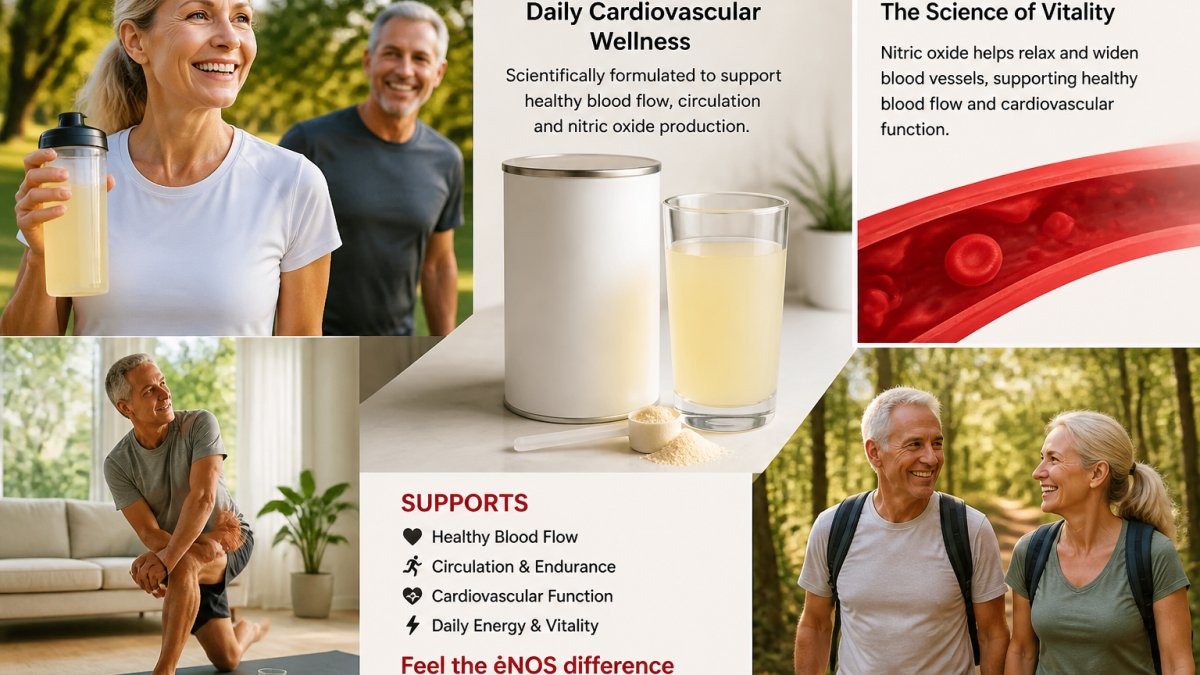
The distinction matters here: eNOS (endothelial nitric oxide synthase) is the enzyme your body uses to create nitric oxide. ėNOS, by contrast, is the branded supplement from Australiana Life designed to support your body's natural nitric oxide production through dual physiological pathways.
Production can decline with age, stress, poor diet, and inactivity. When levels drop, vessels become less flexible, circulation suffers, and energy and stamina may fall. You can support production through specific foods, exercise, and targeted supplementation.
Foods That Increase Nitric Oxide Production
Dietary nitrates are your most direct food-based pathway to naturally get nitric oxide, but not the only one. Your body runs two distinct routes, and knowing the difference helps you eat with intention.
Pathway 1, The nitrate-nitrite-nitric oxide route. Bacteria on your tongue convert dietary nitrate into nitrite, which enters the bloodstream and is reduced to nitric oxide in tissues, especially when oxygen is low. This route does not depend on the eNOS enzyme, so it keeps working even when eNOS function is compromised.
Pathway 2, The eNOS route. Here, L-arginine is converted to nitric oxide by eNOS (endothelial nitric oxide synthase), the enzyme your blood vessel lining uses to make nitric oxide. This is the same dual-pathway mechanism that ėNOS, the branded powdered drink supplement from Australiana Life, is formulated to support, though the food-first approach below works on its own.
Leafy Greens and Nitrate-Rich Vegetables
Leafy greens deliver the highest concentration of dietary nitrates of any food category. Spinach, arugula, kale, and Swiss chard are among the most potent sources. A single serving of these vegetables can meaningfully support nitric oxide synthesis.
Beetroot is often highlighted in supplement formulas, but leafy greens actually provide more nitrate per serving. Beetroot's advantage is its concentrated juice form; whole leafy greens, however, add vitamins, minerals, and antioxidants that support nitric oxide production and protect it from degradation.

Other high-nitrate vegetables include:
- Celery
- Radishes
- Cabbage
- Broccoli
- Lettuce varieties
How Preparation and Storage Affect Nitrate Content
Nitrate levels in vegetables are not fixed, they shift with how you store, cut, and cook them.
- Cooking leaches nitrates into water. Boiling spinach or beets pulls nitrates into the cooking water; steaming, roasting, or sautéing with minimal liquid retains more. If you boil, keep the water for soups or sauces.
- Cutting increases nitrate loss. Nitrates are water-soluble, so more surface area and longer sitting time mean more leaching. Cut close to cooking time.
- Storage temperature matters. Refrigerated vegetables hold nitrates better than those at room temperature; wilting and spoilage reduce nutrient value.
- Freshness counts. Nitrate levels are highest in freshly harvested produce and decline during storage, so fresh or frozen (typically processed near harvest) preserves more.
- Juicing concentrates nitrates but strips fiber. Beetroot juice delivers a concentrated nitrate dose, but whole vegetables still offer fiber and a broader nutrient package, so many people use both.
Other Foods That Support Nitric Oxide Synthesis
Beyond vegetables, several foods support nitric oxide production through the eNOS pathway and antioxidant protection.
- Watermelon provides L-citrulline, which your body converts to L-arginine, the direct fuel for eNOS.
- Citrus fruits supply vitamin C, which helps protect nitric oxide from oxidative breakdown.
- Garlic contains sulfur compounds that may support healthy blood vessel function.
- Nuts, seeds, and legumes contribute amino acids and antioxidants.
- Dark chocolate contains flavonoids associated with endothelial support.
The key is variety: drawing from multiple categories creates the nutritional environment your body needs to produce and protect nitric oxide through both pathways.
Exercise and Nitric Oxide Production
Physical activity is one of the most powerful natural stimulators of nitric oxide production. Exercise increases blood flow, and the resulting shear stress on vessel walls triggers eNOS to release more nitric oxide, causing vasodilation and improving circulation further (pubmed.ncbi.nlm.nih.gov). The relationship works both ways, creating a positive feedback loop that supports performance and recovery over time.
You don't need intense workouts to see benefits. Moderate activities work well:
- Brisk walking for 30 minutes
- Cycling at a comfortable pace
- Swimming or water aerobics
- Strength training with moderate resistance
- Dancing or recreational sports
Consistency matters more than intensity. Many people notice improvements in energy and circulation by exercising 4-5 times per week, and even short 15-20 minute sessions stimulate nitric oxide. HIIT produces strong responses but isn't necessary, find activities you can sustain long-term.
What Depletes Nitric Oxide and How to Protect It
Several lifestyle factors reduce your nitric oxide levels or prevent your body from using what it produces. Recognizing these helps you protect natural production, and know when a high-nitrate or supplement-heavy approach may not be right for you.
Lifestyle Factors That Deplete Nitric Oxide
Oxidative stress is the primary threat. Free radicals attack and damage nitric oxide molecules before your body can use them. Sources of oxidative stress include:
- Smoking and secondhand smoke
- Excessive alcohol consumption
- Refined sugar and processed foods
- Air pollution
- Chronic stress
- Inadequate sleep
A diet high in antioxidants combats oxidative stress. Antioxidant-rich foods include berries, dark leafy greens, nuts, seeds, and colorful vegetables, which help neutralize free radicals and preserve the nitric oxide your body creates.
Antibacterial mouthwashes may kill the oral bacteria that convert dietary nitrates into nitrite. Consider alcohol-free varieties or simply rinse with water after meals.
Sleep quality affects nitric oxide production; during deep sleep, your body repairs blood vessels and supports eNOS function. Aim for 7-9 hours nightly, since poor sleep is associated with declining nitric oxide availability.
Chronic inflammation also depletes nitric oxide. Managing it through anti-inflammatory foods, regular movement, and stress reduction helps protect your levels.
Who Should Be Cautious With High-Nitrate Foods and Supplements
Nitric oxide support is not one-size-fits-all, and safety matters most.
- People taking blood pressure medication. Nitrate-rich foods and nitric oxide-supporting supplements can lower blood pressure; combined with antihypertensives, this may push it too low. Talk with your clinician before adding concentrated nitrate sources or L-arginine/L-citrulline supplements.
- People on erectile dysfunction or nitrate medications. Nitrates and PDE5 inhibitors both affect the nitric oxide pathway, and combining them can cause a dangerous drop in blood pressure, a well-established interaction.
- People with kidney conditions. Beets and spinach are high in oxalates and potassium. If you have kidney disease or have been told to limit either, follow your clinician's dietary guidance.
- People with cardiovascular conditions. If you have heart disease, a recent cardiac event, or take multiple cardiovascular medications, review dietary and supplement changes with your care team.
- People with low blood pressure. Adding nitrate-heavy foods or supplements may cause dizziness or lightheadedness.
- People on blood thinners. Some nitric oxide-supporting supplements may interact with anticoagulant or antiplatelet medications.
How to Protect Your Nitric Oxide Naturally
For most healthy adults, the protective habits are straightforward:
- Eat antioxidant-rich foods daily, berries, leafy greens, nuts, seeds, and colorful vegetables.
- Choose alcohol-free mouthwash or skip it when possible.
- Prioritize sleep, 7-9 hours on a consistent schedule.
- Manage stress through movement, breathing practices, or whatever reliably works for you.
- Stay active, even short daily walks support eNOS function.
- Limit smoking and excess alcohol, both of which impair nitric oxide availability.
If you are in a higher-risk group, the goal is not to avoid nitric oxide support entirely, it is to personalize it with clinical guidance so benefits outweigh risks.
Nitric Oxide Supplements: Supporting Your Body's Natural Production
When diet and exercise alone don't deliver the results you're seeking, supplements can fill the gap by providing the building blocks your body needs to produce more nitric oxide through the eNOS pathway.
L-Arginine and L-Citrulline are amino acids that directly support nitric oxide synthesis. Your body converts L-citrulline to L-arginine, which feeds the eNOS enzyme to produce nitric oxide.
Antioxidants and vitamins protect the nitric oxide your body creates. Vitamin C, vitamin E, and compounds like CoQ10 help prevent oxidative degradation, which is why comprehensive formulas combine amino acids with antioxidant-rich botanicals.
Australian botanicals like Kakadu Plum and Davidson's Plum offer concentrated antioxidant support, containing higher antioxidant levels than many common fruits.
ėNOS, the premium nitric oxide supplement from Australiana Life, combines L-Arginine and L-Citrulline in clinically meaningful amounts with antioxidant-rich botanicals selected to support nitric oxide delivery through dual physiological pathways.
When selecting a supplement, look for:
- Transparent ingredient lists with specific amounts
- Clinically meaningful doses of L-Arginine and L-Citrulline
- Antioxidant-rich botanicals from trusted sources
- Third-party testing for purity and potency
Your Daily Nitric Oxide Action Plan
To naturally get nitric oxide consistently, a structured daily approach combining dietary changes, movement, and supplementation helps.
Time of Day | Action | Purpose |
|---|---|---|
Morning | eNOS supplement drink - 30 minutes before breakfast Leafy greens in breakfast or smoothie | Start nitrate intake early |
Mid-morning | Brisk 15-20 minute walk | Stimulate eNOS production |
Lunch | Nitrate-rich vegetables as side | Sustain dietary nitrate levels |
Early evening | ėNOS supplement drink - 30 minutes before dinner | For sustained and even NO. Support dual-pathway production |
Evening | Light activity or gentle movement | Maintain circulation |
Bedtime | 7-9 hours sleep | Optimize nitric oxide synthesis during rest |
Week 1-2: Foundation Add one leafy green serving to each meal, take a 15-minute walk daily, and begin your daily supplement routine - baseline improvements without overwhelming change.
Week 3-4: Build Continue your daily eNOS supplement routine. Increase vegetable variety and add a second 15-minute walk or extend one to 25 minutes.
Week 5-8: Sustain Maintain the routine. If results plateau, increase exercise intensity or add weekly strength training.
Timelines vary by individual, and consistency matters far more than perfection.
Conclusion
Naturally getting nitric oxide involves three interconnected strategies: eating nitrate-rich foods, moving regularly, and protecting nitric oxide from degradation through antioxidants and healthy lifestyle choices. When these foundations are in place, a comprehensive supplement like ėNOS can amplify your results by delivering dual-pathway support through L-Arginine, L-Citrulline, and antioxidant-rich botanicals.
Your cardiovascular system depends on healthy nitric oxide levels. If you're over 50 and concerned about maintaining heart health and natural energy as you age, ėNOS offers comprehensive support in a powdered drink format that absorbs quickly and mixes easily into your daily routine. Consult your healthcare provider before starting any supplement, especially if you take blood pressure medication or other prescriptions.
Frequently Asked Questions
What increases nitric oxide quickly?
Exercise produces immediate nitric oxide responses in your blood vessels—even a 20-minute walk triggers synthesis. Dietary nitrates from leafy greens and beetroot convert to nitric oxide within hours of consumption. Supplements containing L-arginine and L-citrulline support your body's natural nitric oxide synthase (eNOS) enzyme, the biological system responsible for producing nitric oxide. Results vary by individual, so consistency matters more than speed.
Which foods support the body's nitric oxide production most effectively?
Spinach, arugula, and other leafy greens top the list due to their high dietary nitrate content. Beetroot is often cited as a benchmark for nitrate density. Garlic, watermelon, and citrus fruits provide additional support through different pathways—garlic contains sulfur compounds that enhance blood vessel function, while watermelon supplies L-citrulline, an amino acid your body converts into nitric oxide. Variety ensures you receive complementary nutrients that work synergistically.
Can nitric oxide supplements interact with blood pressure medication?
Because nitric oxide supports healthy vasodilation and blood flow, supplements designed to boost production may affect blood pressure. If you take blood pressure medication or other cardiovascular prescriptions, consult your doctor before starting any new supplement regimen. Your healthcare provider can review your specific medications and recommend safe timing or dosage adjustments if needed.
How long does it take to notice benefits from increasing nitric oxide?
Timelines vary significantly between individuals. Some people report feeling more energy or improved circulation within days of dietary changes or consistent exercise. Others may need weeks of sustained effort before noticing measurable shifts in stamina, blood flow, or overall vitality. Age, baseline cardiovascular fitness, current diet, and stress levels all influence how quickly your body responds to increased nitric oxide support.