 How-to
How to Improve Blood Flow After 50: A Step-by-Step Plan
Table of Contents
- Why Blood Flow Changes After 50
- Signs of Poor Circulation You Should Not Ignore
- Exercises to Improve Circulation at Home
- Foods That Support Blood Circulation
- Nitric Oxide and Blood Flow: The Body's Own Signaling System
- A Step-by-Step Circulation Plan for Adults Over 50
- When Poor Circulation Needs Medical Attention
- Conclusion
- Frequently Asked Questions
Last Updated: October 20, 2026
Why Blood Flow Changes After 50
Blood flow changes after 50 because your arteries stiffen, your heart pumps with less force, and your body produces less nitric oxide, the molecule that tells blood vessels to relax and widen.
Circulation is the body's delivery system. Blood carries oxygen and nutrients to your muscles, brain, and organs.
Aging is the main driver. But how you move, eat, and manage stress also shapes how well your vessels work. The good news: most of these factors are within your control.
Below, we'll show you exactly how to support healthy circulation, step by step, without gimmicks.
Signs of Poor Circulation You Should Not Ignore
The most common signs of poor circulation are cold hands and feet, numbness or tingling, swollen ankles, and legs that ache after walking. These symptoms are easy to dismiss as "just aging." They are worth tracking instead.
Watch for these warning signs:
- Cold feet, even in warm rooms
- Tingling or "pins and needles" in fingers or toes
- Leg cramps during walks that ease with rest
- Slow-healing cuts or sores on the feet
One symptom alone is rarely alarming. A pattern that gets worse over months deserves a doctor's visit. We'll cover when to seek care near the end of this guide.
Exercises to Improve Circulation at Home
Exercises to improve circulation work through three separate mechanisms, and knowing which one you are targeting helps you choose the right move. Repeated movement keeps artery linings producing nitric oxide.
Comparing the Main Approaches
| Approach | What It Trains | Best For | Practical Dose | Watch-Outs |
|---|---|---|---|---|
| Brisk walking | Muscle pump + vessel responsiveness | Most adults over 50 | 20-30 minutes, 5 days a week | Joint pain; build up gradually |
| Calf raises | Deep-vein pump in the lower leg | Desk workers, long sitters | 15 reps, 2-3 times a day | Hold a counter for balance |
| Ankle circles and seated marching | Circulation during immobility | Anyone with limited standing tolerance | 10 circles each direction, hourly | Stop if you feel lightheaded |
| Resistance bands or light weights | Vessel wall responsiveness + muscle mass | Maintaining strength after 50 | 2 sessions a week, 2-3 sets | Avoid breath-holding; exhale on effort |
| Water walking or pool work | Low-impact pump + joint relief | Arthritis, obesity, back pain | 20-30 minutes, 2-3 times a week | Warm water, not hot |
| Chair-based movement | Circulation with minimal balance demand | Wheelchair users, post-surgery, frailty | 5-10 minutes, several times a day | Clear the area; use a stable chair |
A common pattern among practitioners is to pair one aerobic habit (walking or pool work) with one pump habit (calf raises or ankle circles) and one strength habit (bands or bodyweight). That combination covers the mechanisms without demanding a gym.
The Five Core Moves
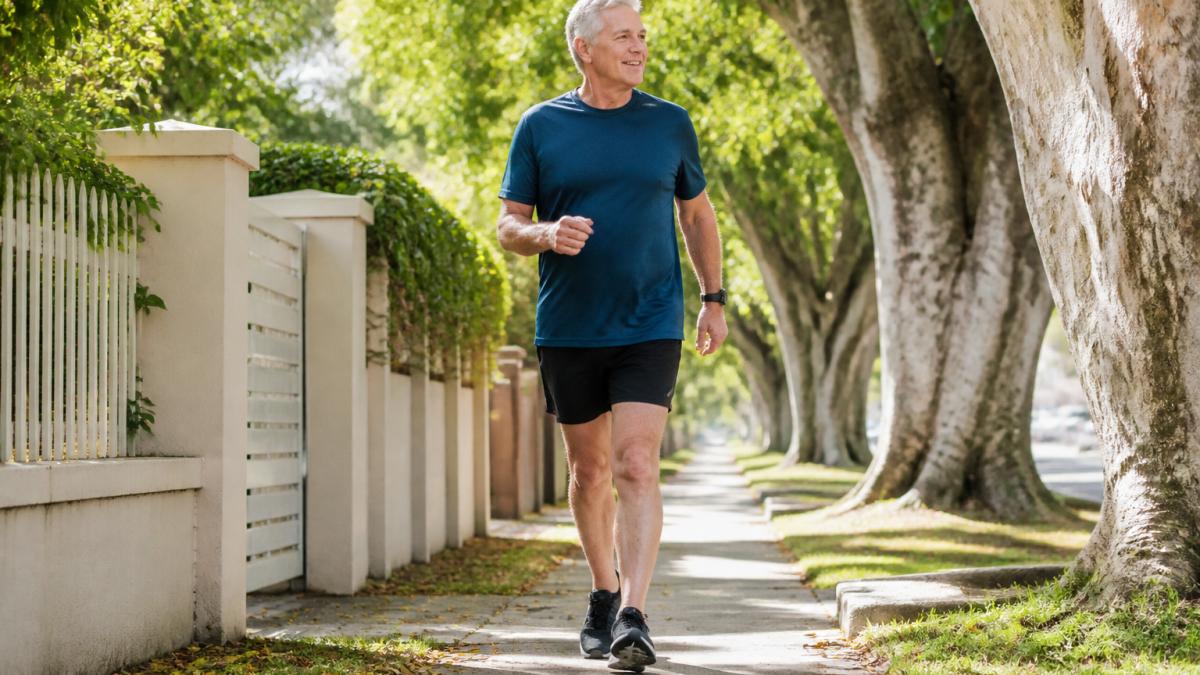
- Brisk walking. Aim for 20-30 minutes most days. A pace where you can talk but not sing is about right (the CDC).
- Calf raises. Stand and rise onto your toes 15 times. Your calf muscles act as a second pump for leg blood flow.
- Ankle circles. Rotate each ankle 10 times in each direction. Do this at your desk or while watching TV.
- Seated leg extensions. Straighten one leg, hold for five seconds, lower. Repeat 10 times per leg.
- Light strength work. Two sessions a week with bodyweight or bands helps keep vessels responsive.
Consistency beats intensity. Short daily movement does more for circulation than one long workout on the weekend.
Adapting Movement for Mobility Limits
If walking is hard on your joints or you use a walker or wheelchair, you can still support circulation. Chair-based movement counts.
Try these safe options:
- Seated marching, lifting knees in place
- Arm circles and shoulder rolls
- Resistance bands for upper-body work
- Water walking in a warm pool, if available
- Short, frequent walks with a rollator or cane
Stop any movement that causes chest pain, dizziness, or sharp joint pain. If you have heart disease, diabetes, peripheral artery disease, or recent surgery, get clearance before starting a new routine.
How to Track Progress
Pick two or three measures you can repeat honestly. Resting heart rate taken first thing in the morning. How far you can walk before leg symptoms appear. How quickly your feet warm up after a few minutes of movement. Log them weekly in a notebook or phone note. A slow improvement over four to six weeks is a more reliable signal than any single good day.
Foods That Support Blood Circulation
Foods that support blood circulation are mostly whole foods: leafy greens, beets, berries, citrus, nuts, fatty fish, and whole grains. These foods supply nitrates, antioxidants, and healthy fats that help vessels stay flexible.
Build meals around this list:
- Leafy greens. Spinach, arugula, and kale are rich in dietary nitrates.
- Beets. A well-known nitrate source and a common comparison point for circulation support.
- Berries. Colorful fruit with antioxidant compounds.
- Citrus. Vitamin C supports healthy blood vessel walls.
- Nuts and seeds. Magnesium and healthy fats in small, regular portions.
What to cut back on matters too. Heavy fried foods, excess salt, and sugary drinks work against circulation. Small swaps, like fruit instead of dessert twice a week, add up over months.
Nitric Oxide and Blood Flow: The Body's Own Signaling System
Nitric oxide and blood flow are tightly linked: nitric oxide is a gas your blood vessels release to relax and widen, and more of it means easier flow. Your body makes it through two main routes, and both matter after 50.
Here is where it gets interesting. The enzyme eNOS (endothelial nitric oxide synthase) sits in the lining of your blood vessels and produces nitric oxide continuously.
Aging tends to slow the eNOS route. That is one reason researchers study amino acids like L-arginine and L-citrulline, which the body uses to support nitric oxide production.
This is the science behind ėNOS, the powdered drink from ėNOS.
A Step-by-Step Circulation Plan for Adults Over 50
A circulation plan works best when it is simple enough to repeat. Here is the weekly structure we recommend, built around movement, food, and recovery.
| Step | What to Do | How Often | Why It Helps |
|---|---|---|---|
| 1. Morning walk | 20-30 minutes at a brisk pace | 5 days a week | Trains leg muscles and supports vessel flexibility |
| 2. Desk breaks | 2 minutes of ankle circles and calf raises | Every hour | Keeps blood moving during long sitting |
| 3. Strength work | Bands or bodyweight, 2-3 sets | 2 days a week | Maintains muscle pump and bone health |
| 4. Nitrate plate | Greens or beets at one meal | Daily | Feeds the dietary nitrate pathway |
| 5. Evening elevation | Legs up for 10-15 minutes | Daily | Eases lower-leg pressure |
| 6. Sleep and stress | 7-8 hours, plus a wind-down routine | Daily | Supports healthy blood pressure |
Add one step per week rather than all six at once.
If you use a nitric oxide supplement, timing matters. We suggest taking it twice daily, 12 hours apart, to keep nitric oxide levels steady.
When Poor Circulation Needs Medical Attention
Poor circulation needs medical attention when symptoms appear at rest, worsen quickly, or come with chest pain, sudden weakness, or a wound that will not heal. These are not wait-and-see signs. Most top-ranking guides stop at a symptom list. This section goes further: what causes reduced blood flow, who is at higher risk, and how to track changes so a clinician can act on real information.
Urgent Symptoms: Seek Care Promptly
- Chest pain or pressure, especially with arm or jaw pain
- Sudden numbness or weakness on one side
- A foot or leg sore that will not heal
- Skin that turns dark, blue, or black
- Leg swelling that appears suddenly in one leg
Medical Causes of Reduced Blood Flow
Reduced circulation is often a symptom of an underlying condition rather than a standalone problem. Common causes include:
- Peripheral artery disease (PAD). Narrowed leg arteries that cause cramping with walking and, in more advanced cases, pain at rest.
- Diabetes. High blood sugar damages small vessels and nerves, which can mask early warning signs.
- Blood clots. Deep vein thrombosis can cause sudden swelling and pain in one leg.
- Heart conditions. Heart failure and arrhythmias can reduce how effectively blood is pumped.
- Medication effects. Some blood pressure drugs, beta blockers, and decongestants can affect circulation or heart rate.
Risk Factors Worth Knowing
Smoking, high blood pressure, high cholesterol, diabetes, a sedentary routine, and a family history of vascular disease all raise the odds of circulation problems. So does age itself. Knowing your risk factors helps you decide how aggressively to pursue evaluation.
How to Track Symptoms for Your Clinician
A short log is more useful than a vague description. Note:
- When symptoms start and what you were doing
- How far you can walk before they appear
- How long rest takes to relieve them
- Whether they now occur at rest
- Any changes in skin color, temperature, or wound healing
Bring that log to your appointment. It gives a clinician concrete patterns to work from.
What Evaluation May Involve
A clinician may check pulses in your feet, compare blood pressure in your arms and ankles (the ankle-brachial index), order blood work, or use ultrasound to look at blood flow. These are routine, non-invasive steps.
This article is general information, not medical advice. Talk with your doctor before changing your routine, especially if you take prescriptions or manage a heart condition.
Conclusion
Improving circulation after 50 is not about one miracle food or a single supplement. It is about daily movement, smart food choices, steady nitric oxide support, and knowing when to call your doctor.
At ėNOS, we built our formula for exactly this stage of life. ėNOS is a doctor-designed, powdered drink that supports the body's natural nitric oxide production through two pathways, with L-arginine, L-citrulline, and rare Australian superfruits.
Try ėNOS as your foundational daily heart and cardiovascular support, and give your circulation the steady support it needs.
Frequently Asked Questions
Does blood flow slow down with age?
Blood flow tends to change with age, though the pace varies widely from person to person. Arteries stiffen over time, the inner lining of blood vessels produces less nitric oxide, and years of cholesterol buildup can narrow the passages blood travels through. Hormonal shifts during perimenopause and post-menopause add another layer for women. These changes do not guarantee circulation problems, but they make daily movement, heart-healthy food choices, and regular checkups more important after 50 than they were at 30.
How can I improve blood flow after age 50?
Start with consistent movement: 30 minutes of brisk walking most days, plus two weekly sessions of strength work. Build meals around vegetables, fruit, whole grains, and fish rich in omega-3s while cutting back on sodium and processed foods. Stay hydrated, avoid long stretches of sitting, and keep cholesterol and blood pressure in a range your doctor confirms is healthy. Some adults also look at nitric oxide support, since the body's own production of this signaling molecule declines with age.
Can menopause affect circulation and heart health?
Yes. Falling estrogen levels during perimenopause and post-menopause affect blood vessel function, cholesterol levels, and where the body stores fat. Many women notice higher LDL cholesterol, lower HDL, and stiffer arteries in the years around menopause. Heart disease risk climbs accordingly, which is why cardiovascular checks matter as much as hot flash management. Exercise, diet, sleep, and stress control all support both circulation and overall midlife wellness.
When should circulation problems be checked by a health professional?
See a doctor if you notice persistent cold or numb hands and feet, swelling in the legs, wounds on the feet that heal slowly, or skin color changes. Chest pain, shortness of breath, sudden weakness on one side, or a leg that turns pale and painful need urgent care, not a wait-and-see approach. Regular blood pressure and cholesterol checks after 50 catch many circulation issues early, when lifestyle changes and treatment work best.